
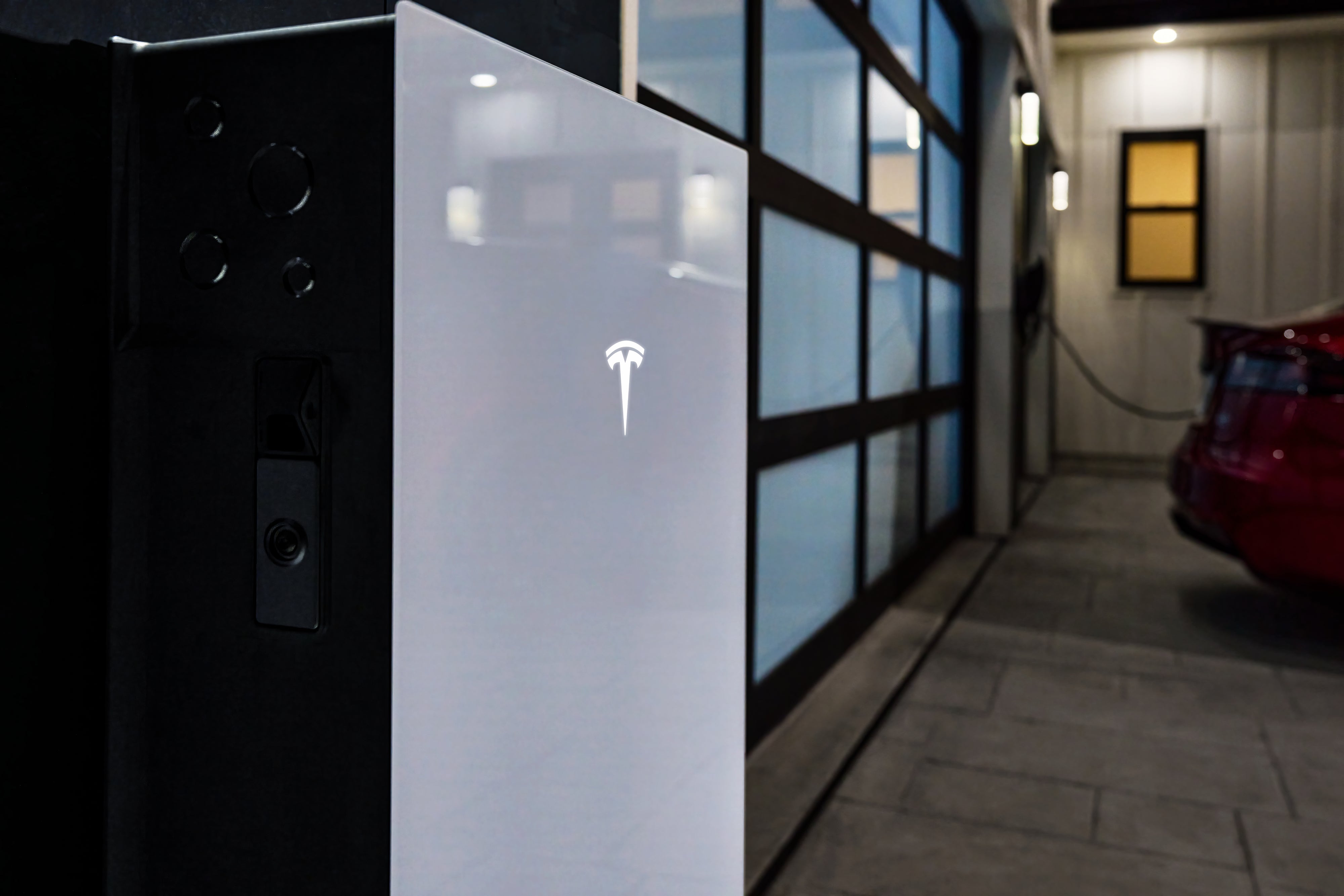
Tesla Meter Collar: An Educational Overview
Tesla Powerwall 3 and the Tesla meter collar represent a meaningful evolution in how residential battery storage connects to a home’s electrical system. For homeowners evaluating solar upgrades, expanding EV charging capacity, or installing whole home backup, understanding how this equipment functions inside the electrical infrastructure is essential.
Unlike earlier battery configurations that required multiple external components, Tesla Powerwall 3 integrates more functionality directly into the unit itself. The Tesla meter collar further changes how monitoring and system communication occur at the service entrance.
This article explains how Tesla Powerwall 3 and the Tesla meter collar work, how they interact with a home’s electrical system, and what design considerations matter before installation.
Understanding Tesla Powerwall 3 Architecture
Tesla Powerwall 3 differs significantly from earlier versions because it integrates a solar inverter directly into the battery enclosure.
In prior generations, solar panels required a separate string inverter or microinverters, and the battery acted primarily as a storage device connected downstream. With Tesla Powerwall 3, solar input can connect directly to the unit, which combines:
• Battery storage
• Inverter functionality
• System control
• Backup switching capabilities
This integrated inverter design reduces the number of external components required in certain system configurations.
From an electrical perspective, Tesla Powerwall 3 offers:
• Higher continuous power output compared to earlier Powerwall models
• Direct solar input compatibility in new installations
• Simplified system architecture for solar plus storage
However, integration does not eliminate design requirements. Electrical service capacity and load calculations remain critical.
What “Integrated Inverter” Actually Means
An inverter converts direct current from solar panels or battery storage into usable alternating current for the home.
In Tesla Powerwall 3, the inverter is built into the battery unit itself. This means:
• Solar panels can feed directly into the Powerwall 3
• Fewer standalone inverter components may be required
• System wiring may be simplified in new builds
For retrofit installations where solar already exists, compatibility must be reviewed carefully. Not all existing solar systems will integrate identically.
The integrated inverter design can streamline new solar plus storage projects, but proper system sizing still depends on load profile and energy goals.
Whole Home Backup and Load Planning
Tesla Powerwall 3 is marketed as capable of supporting whole home backup when properly sized.
Whole home backup depends on:
• Main service rating
• Total connected load
• Peak demand patterns
• Number of batteries installed
• Electrification level
Homes with electric vehicles, heat pumps, induction cooking, or large HVAC systems may have higher instantaneous demand than older homes designed around gas appliances.
If peak demand exceeds the discharge capacity of a single Tesla Powerwall 3, multiple units may be required.
Marketing language should never replace a formal NEC load calculation. Battery capacity planning begins with understanding real energy consumption and service limitations.
Understanding the Tesla Meter Collar
The Tesla meter collar is a service entrance device installed directly behind the electric utility meter. It sits between the meter and the meter socket.
Its purpose is to simplify system integration and monitoring at the service entrance.
Traditionally, battery systems require current transformers or monitoring devices installed inside the main electrical panel to measure power flow. The Tesla meter collar can perform service level monitoring externally.
From an infrastructure standpoint, the Tesla meter collar:
• Measures power flow at the service entrance
• Reduces internal panel modifications in some configurations
• May simplify installation where panel space is limited
It is important to understand that the Tesla meter collar does not increase service capacity. It does not change a 200 amp service into a larger one. It functions as a monitoring and integration device.
Utility approval is required before installation. Not all utility territories allow meter collar devices.
How Tesla Powerwall 3 and the Meter Collar Work Together
When combined, Tesla Powerwall 3 and the Tesla meter collar create a more streamlined architecture for battery integration.
The meter collar provides:
• Accurate measurement of grid import and export
• Communication between the utility service and the battery system
Tesla Powerwall 3 uses that data to:
• Manage charging and discharging behavior
• Detect outages
• Optimize backup switching
• Coordinate solar production and battery storage
This service entrance monitoring allows the system to respond dynamically to changes in power flow without extensive rewiring inside the panel.
However, system design must still account for:
• Panel condition
• Grounding and bonding
• Available breaker space
• Interconnection requirements
Integration with Solar Systems
Tesla Powerwall 3 is designed for solar plus storage configurations.
When paired with solar panels, the system can:
• Store excess daytime production
• Discharge during evening high demand periods
• Reduce reliance on peak rate grid power
• Provide backup during outages
If solar production regularly exceeds daytime consumption, Tesla Powerwall 3 can capture more of that excess energy.
If solar production is limited, additional battery capacity may not significantly reduce grid purchases. Production and storage must be balanced.
EV Charging and Electrical Demand
Electric vehicle charging adds substantial load to residential systems.
A Level 2 EV charger can draw between 40 and 60 amps depending on configuration. If two vehicles charge simultaneously, peak demand increases further.
When pairing EV charging with Tesla Powerwall 3, system design should evaluate:
• Service amperage
• Simultaneous load behavior
• Battery discharge rate
• Solar generation capacity
Tesla Powerwall 3 can discharge during high usage periods, but discharge capacity is finite. If EV charging overlaps with HVAC and other major loads, multiple batteries may be required for whole home support.
The Tesla meter collar assists with monitoring but does not eliminate electrical constraints.
Installation Considerations
Before installing Tesla Powerwall 3 or a Tesla meter collar, a licensed electrical contractor typically evaluates:
• Main service rating such as 100 amp or 200 amp
• Condition of the existing panel
• Solar system configuration
• Interconnection requirements
• Utility approval for meter collar installation
• Local code compliance
Battery systems become part of the home’s permanent electrical infrastructure. They must meet grounding standards, breaker sizing requirements, and inspection protocols.
System design should always precede equipment selection.
When This Equipment Makes Sense
Tesla Powerwall 3 and the Tesla meter collar are often considered when:
• Installing new solar plus storage
• Expanding EV charging capacity
• Replacing aging electrical panels
• Planning for whole home backup
• Seeking simplified service entrance integration
The integrated inverter architecture may simplify certain installations, but each home’s electrical configuration determines feasibility.
Final Thoughts
Tesla Powerwall 3 and the Tesla meter collar introduce new flexibility in residential battery design. The integrated inverter architecture reduces external components in some systems, while the meter collar streamlines service entrance monitoring.
However, neither device replaces the need for proper electrical planning. Service capacity, load calculations, solar production, and future electrification goals must guide system sizing.
As a licensed electrical contractor specializing in solar, battery storage, EV charging, and service upgrades, Grid Titans evaluates Tesla Powerwall 3 installations within the context of complete electrical infrastructure planning. Equipment selection should support long term performance, resilience, and code compliance rather than branding alone.
For homeowners evaluating Tesla Powerwall 3 or considering whether a Tesla meter collar is appropriate, a t