
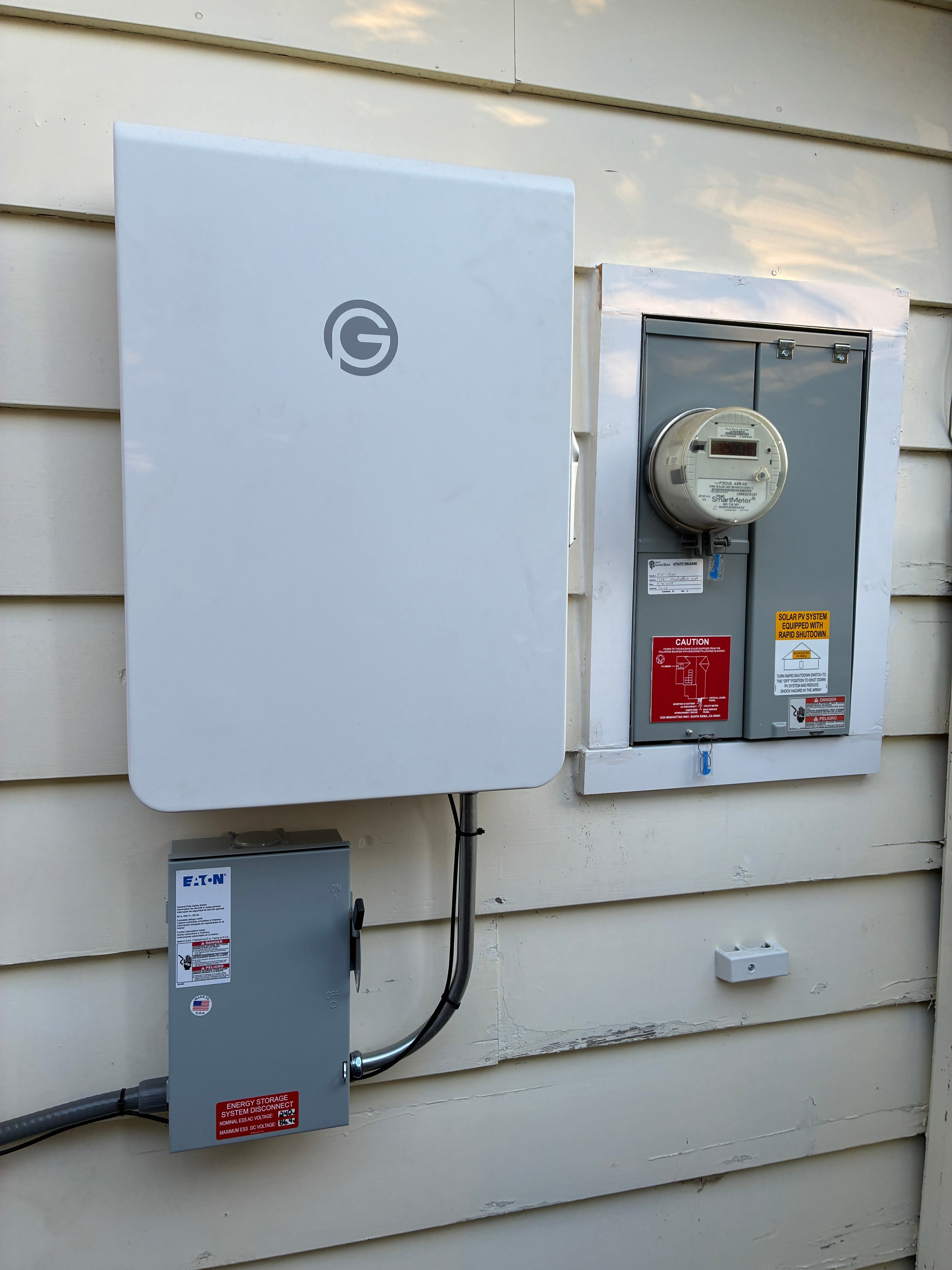
Do I Need a Panel Upgrade for an EV Charger?
As electric vehicles become more common across California, many homeowners are discovering that installing an EV charger is not always as simple as adding a new outlet. One of the most common questions we hear at Grid Titans is whether an electrical panel upgrade is required before installing a Level 2 EV charger.
The answer depends on your home’s electrical capacity, existing loads, and future energy plans. Below, we explain how to determine if your panel can support an EV charger, when an upgrade is necessary, and what other options may be available.
Why EV Chargers Require More Electrical Capacity
Level 2 EV chargers typically operate at 240 volts and draw significantly more power than standard household outlets. Depending on the charger, continuous loads can range from 32 to 60 amps. Electrical codes require that panels safely support this additional demand without overloading the system.
Many older homes were designed long before EVs, heat pumps, or electric appliances became common. As homes electrify, panels that once felt oversized can quickly become undersized.
Signs You May Need a Panel Upgrade
A panel upgrade may be required if your home shows one or more of the following conditions.
Homes with 100 amp service often lack sufficient spare capacity for a dedicated EV charger, especially if other large loads like air conditioning, electric water heaters, or electric dryers are already present.
If your breaker panel is full with no available spaces, an upgrade or reconfiguration may be needed to safely add a new circuit.
Older panels that use fuse boxes or outdated breaker technology may not meet current safety or code requirements for EV charging.
Homes that already experience flickering lights or frequent breaker trips may not have the electrical headroom needed to support continuous EV charging loads.
How Electric Load Calculations Determine the Answer
The decision to upgrade a panel is not based on guesswork. A licensed electrician performs a load calculation that evaluates how much power your home is designed to handle versus how much it currently uses.
This calculation considers square footage, major appliances, heating and cooling systems, and the proposed EV charger. The result determines whether your existing panel can safely support the additional load or if an upgrade is required to remain code compliant.
Utilities such as Pacific Gas and Electric Company also require that electrical systems meet specific interconnection and safety standards, especially as EV adoption increases.
Common Panel Sizes and EV Charger Compatibility
Homes with 200 amp service can often accommodate a Level 2 EV charger without a full panel upgrade, depending on existing loads. However, this is not guaranteed and still requires a proper evaluation.
Homes with 100 amp service frequently require upgrades when adding EV chargers, particularly if the home already relies on electric appliances.
Panels rated below 100 amps are typically not suitable for EV charging without significant electrical upgrades.
Alternatives to a Full Panel Upgrade
In some cases, a full panel upgrade may not be immediately required. Load management technologies can allow EV chargers to operate dynamically, reducing power draw when other appliances are in use.
Smart EV chargers can communicate with the electrical system to charge during off-peak hours or throttle charging speeds to stay within safe limits.
Energy monitoring systems can also provide visibility into real-time consumption, helping homeowners understand whether their current panel can support future upgrades.
These alternatives must still be evaluated carefully to ensure safety and code compliance.
How Solar and Batteries Affect Panel Capacity
Solar and battery systems do not automatically eliminate the need for a panel upgrade. While they can reduce grid consumption, EV chargers still draw power through the main electrical service.
However, when designed together, solar, batteries, and EV charging can be integrated into a smarter electrical system that reduces peak demand and increases energy independence.
This is why Grid Titans evaluates the entire energy ecosystem of the home rather than treating EV chargers as a standalone installation.
Why Panel Upgrades Are an Investment, Not Just a Requirement
Upgrading an electrical panel is not just about adding an EV charger. It prepares your home for future electrification including heat pumps, battery storage, solar expansions, and additional EVs.
A modern panel increases safety, supports higher efficiency systems, and improves long-term property value. It also reduces the risk of overloaded circuits and electrical failures as energy demands grow.
Final Thoughts
Not every home needs a panel upgrade to install an EV charger, but many do. The only way to know for sure is through a professional electrical evaluation and load calculation.
At Grid Titans, we help homeowners plan EV charging the right way by assessing current capacity, future goals, and safety requirements before installation begins. This approach ensures your EV charger works reliably today and your electrical system is ready for tomorrow.
If you are considering an EV charger, understanding your panel capacity is the first step toward a safe and future-proof installation.