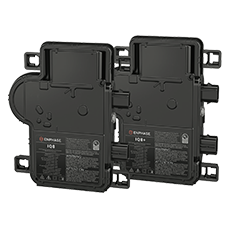
Solar Inverters and Microinverter Systems
Solar inverters are the foundation of every solar energy system. They convert the electricity produced by solar panels into usable power for the home, enabling solar energy to support daily use, battery charging, and grid interaction. This collection includes residential solar inverter technologies designed for performance, reliability, and long term system resilience.
Modern inverter systems go beyond simple power conversion. Advanced designs improve energy production, system monitoring, and fault tolerance while supporting integration with batteries and whole home energy systems.

Microinverter and Distributed Inverter Technology
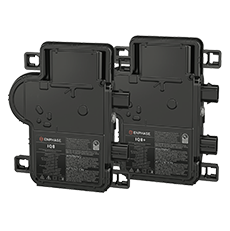
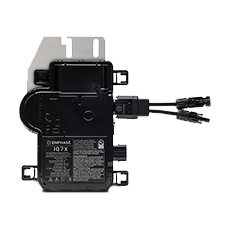
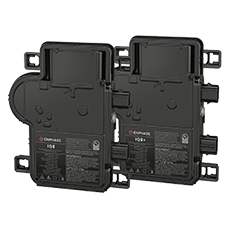
Microinverter based systems convert energy at the individual solar panel rather than relying on a single centralized inverter. This distributed approach improves performance in shaded or complex roof layouts and reduces the impact of individual component issues.
Microinverters are commonly used in residential systems because they:
-
Optimize energy production at the panel level
-
Improve system reliability and fault tolerance
-
Enable detailed monitoring and system visibility
-
Support modular system expansion over time
String Inverters and Centralized Conversion
Some solar systems use centralized or string inverter designs, where multiple panels feed into a single conversion point. These systems can be effective in certain applications and layouts, particularly where roof conditions are uniform and shading is minimal.
The choice between microinverters and centralized inverter systems depends on system design, energy goals, and long term flexibility.
Integration with Batteries and Energy Storage
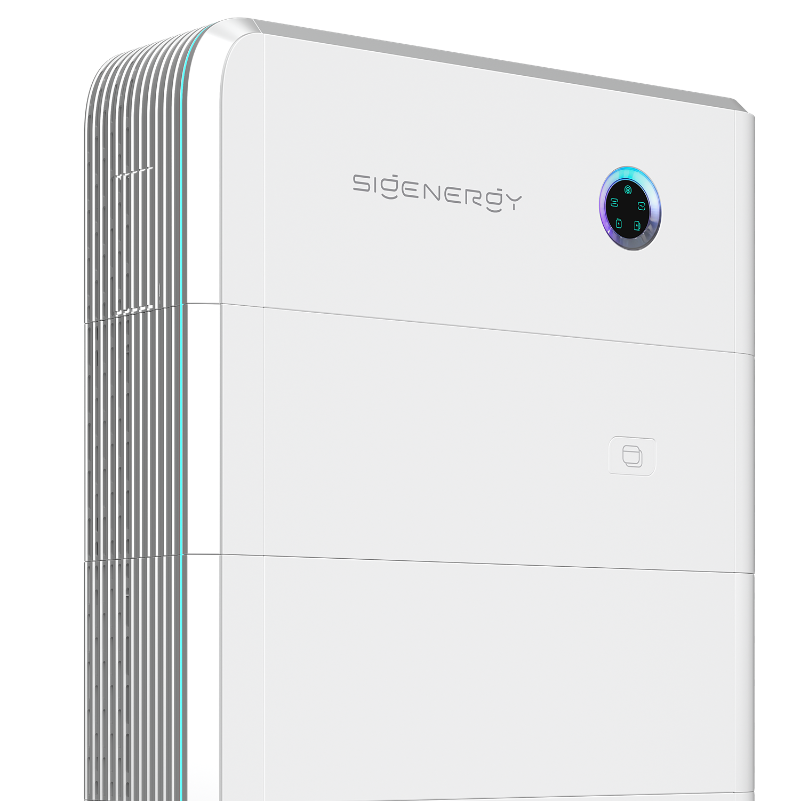
Solar inverters play a critical role in how energy is stored and managed. Inverter technology determines how solar production interacts with battery systems, how energy flows during outages, and how the home responds to grid disruptions.
Advanced inverter platforms support seamless integration with home battery systems, enabling solar energy to be stored, monitored, and deployed when it is needed most.
Monitoring, Control, and System Intelligence
Modern inverter systems include monitoring and control capabilities that provide insight into energy production and system performance. Homeowners can track output, identify issues, and understand how their solar system contributes to overall energy use.
This visibility supports smarter energy decisions and long term system optimization.
Explore Residential Inverter Options
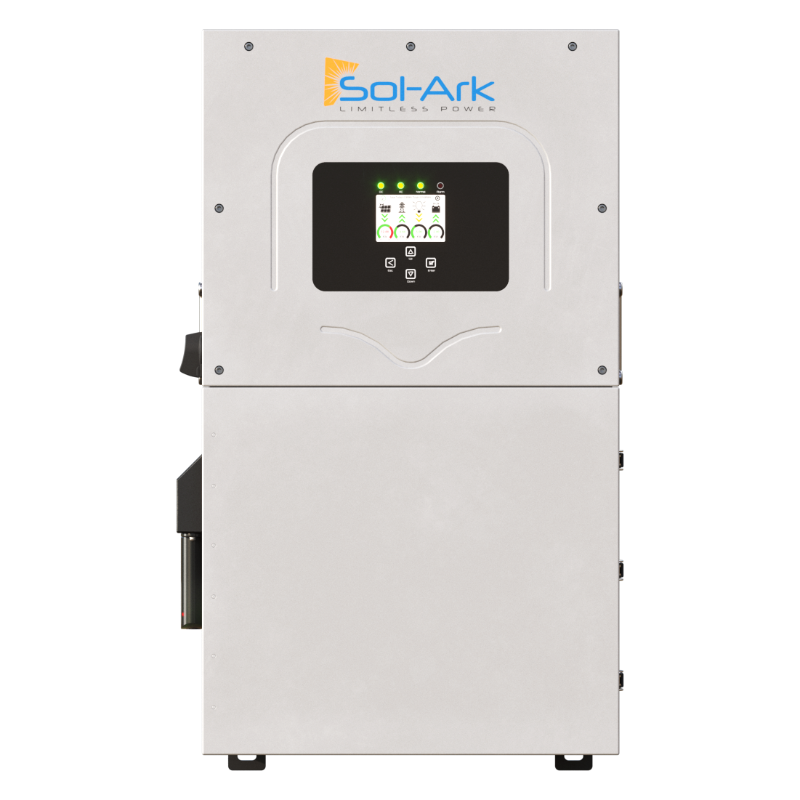
Within this collection, you can explore residential inverter technologies including microinverters and integrated inverter platforms from leading manufacturers such as Enphase Energy. Each option is designed to support reliable solar production, system scalability, and compatibility with modern home energy systems.
Tesla Home Battery Systems & Powerwall Energy Storage