
NOW EXTENDED TO JUNE 30th!
Tesla is currently offering a limited rebate on Powerwall 3 and Powerwall 3 Expansion units with firm deadlines tied to order placement and registration. For homeowners already evaluating backup battery installation, understanding how this program works can help determine timing.
At Grid Titans, battery planning conversations rarely begin with incentives. They begin with outages, rising utility rates, electrification, and control. The rebate does not determine whether a battery is right for your home. It simply creates a defined window for those already considering energy storage.
This article explains how the 2026 Tesla Powerwall rebate works and what homeowners should evaluate before installing a backup battery system.
What the 2026 Tesla Powerwall Rebate Includes
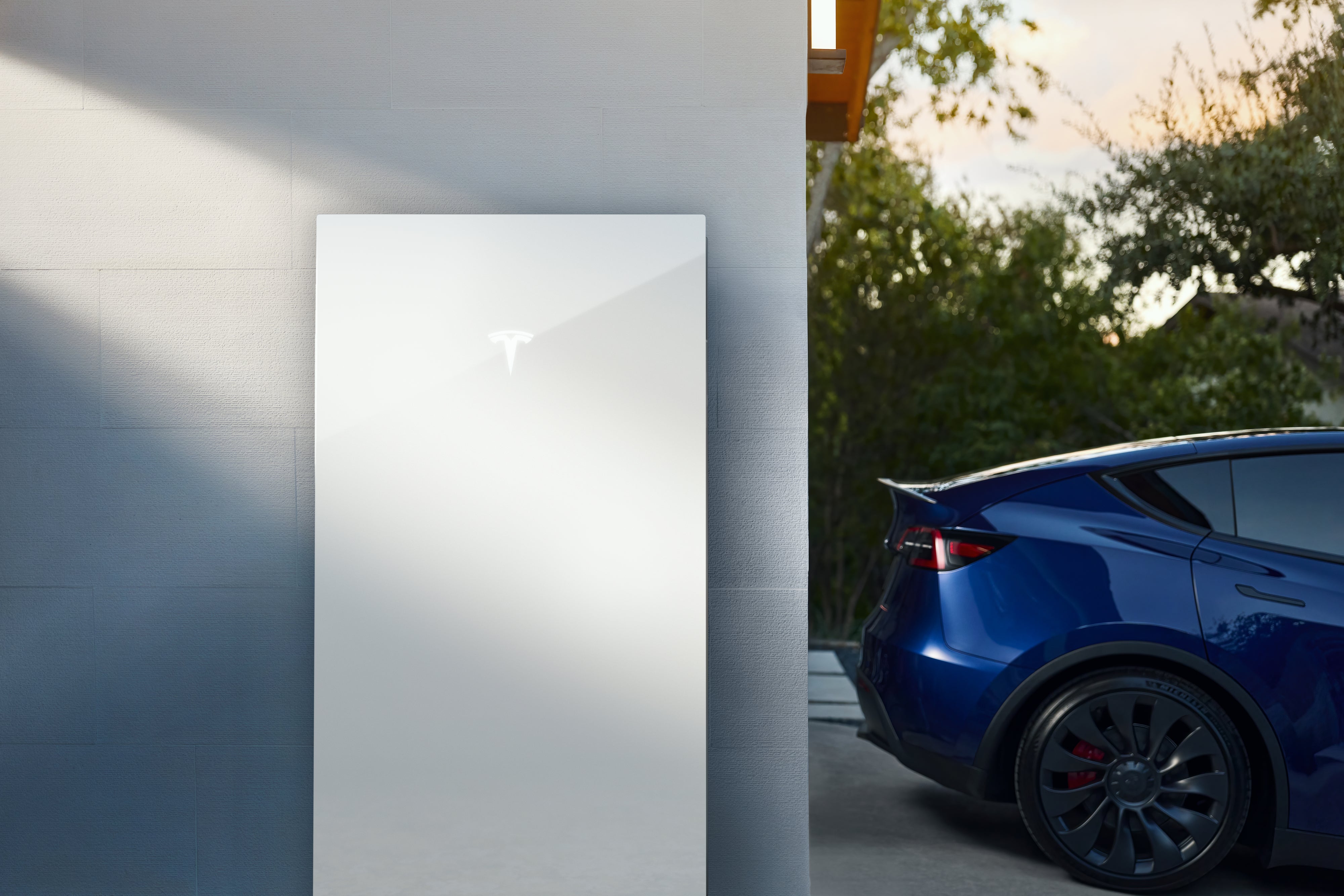
Tesla is offering a rebate of 500 dollars per Powerwall 3 or Powerwall 3 Expansion, up to a maximum of 1000 dollars per home. The incentive is issued as a virtual Visa reward card.
To qualify, two important deadlines apply:
-
Order and registration must be finalized by March 31 2026. EXTENDED Until JUNE 30th, 2026!
- Installation must be completed by September 30 2026.
Eligibility is tied to finalized sales and registration, not simply installation scheduling. That distinction matters. If a homeowner intends to move forward but waits past the order deadline, the rebate may no longer apply.
The rebate is limited to eligible models and applies to up to two units per household.
What Powerwall 3 Is Designed to Do
Powerwall 3 is a home energy storage system that integrates battery storage and inverter functionality into a single unit. Earlier battery systems often required separate inverters, which increased complexity in system design. Powerwall 3 consolidates that architecture.
When properly installed and configured, a Powerwall system can:
Automatically detect a grid outage and transition to stored energy
Provide backup power for essential circuits or full home loads depending on design
Recharge from solar panels during daylight hours when paired with photovoltaic systems
Allow monitoring and control through a mobile application
The experience during an outage depends on system sizing and electrical configuration. A battery does not create energy on its own. It stores and distributes energy based on how the home is designed to use it.
Why Backup Batteries Are Increasing in Demand
Over the past several years, homeowner interest in backup batteries has increased for several reasons.
-
Grid reliability concerns
-
Public Safety Power Shutoffs
-
Storm related outages
-
Rising peak electricity rates
-
Growth in electric vehicles
- Increased home electrification
As homes add EV chargers, heat pumps, induction ranges, and AI driven devices, electrical demand rises. The modern home consumes more power than it did even five years ago.
A battery system adds resilience, but it also adds flexibility. It allows homeowners to decide when stored energy is used, especially in time of use utility rate environments.
At Grid Titans, most battery installations are not impulse decisions. They are part of broader energy planning that includes solar, panel upgrades, EV charging, or load management.
How a Battery Works During an Outage
When the grid fails, a properly installed Powerwall system isolates the home from the utility through an automatic transfer mechanism. This protects line workers and prevents backfeeding.
Within seconds, the home begins drawing power from stored energy.
If the battery is paired with solar, and sunlight is available, the system can recharge during the day while continuing to power the home. Without solar, the battery will discharge until depleted, at which point utility power must be restored before normal operation resumes.
The duration of backup depends on:
-
Battery capacity
-
How many circuits are backed up
-
Total load demand
- Whether solar is present
For example, a home backing up refrigeration, lighting, internet, and small appliances will consume less energy than a home running central air conditioning and multiple large appliances simultaneously.
Partial Backup Versus Whole Home Backup
One of the most important design decisions is whether to back up essential loads or the entire home.
Essential Load Backup
This approach limits backup to selected circuits. It allows a smaller battery system to run longer during an outage. It is often the most efficient configuration when outage duration is unpredictable.
Whole Home Backup
Whole home backup is possible depending on service panel size, system design, and battery quantity. It typically requires larger capacity and careful load analysis.
Neither approach is inherently better. It depends on homeowner expectations and electrical infrastructure.
Grid Titans evaluates these factors before recommending system size.
What Homeowners Should Review Before Installing
Battery installation is not just about equipment selection. It involves electrical analysis and infrastructure review.
Before installing a Powerwall system, Grid Titans evaluates:
-
Average monthly and annual energy usage
-
Main service panel capacity
-
Load calculations under peak demand
-
Existing solar system compatibility
-
Future electrification plans
-
Space for battery placement
- Ventilation and code compliance requirements
Oversizing increases cost without proportional benefit. Undersizing may lead to dissatisfaction during outages. Accurate load planning matters.
Expanding a System Later
Many homeowners ask whether they can install one battery now and add another later.
Powerwall 3 and Expansion units are designed to allow stacking up to Tesla’s specified limits. Expansion is possible, but electrical planning should anticipate it from the beginning.
Panel capacity, conduit sizing, and physical placement all influence expansion flexibility.
Designing for growth often prevents future rework.
How Incentives Influence Timing
Rebate programs like the 2026 Powerwall incentive do not change how a battery functions. They influence when homeowners decide to move forward.
If a homeowner has already been evaluating storage, the March 31 2026 order deadline creates a clear decision point.
If battery installation was not already under consideration, rushing solely for an incentive may not be appropriate. Storage should align with outage concerns, electrification plans, and energy goals.
At Grid Titans, the rebate is part of the conversation, not the foundation of it.
Battery Installation and Electrical Infrastructure
Battery systems interact directly with a home’s electrical service. Older panels, limited amperage service, or outdated wiring may require upgrades before storage can be installed.
Common related upgrades include:
-
Main service panel replacement
-
Subpanel additions
-
Load management systems
-
EV charger coordination
- Solar inverter updates
Battery installation is part of a larger energy ecosystem. It should be integrated thoughtfully.
Monitoring and Control
Powerwall systems include app based monitoring that allows homeowners to:
-
View energy production and usage
-
Track battery charge levels
-
Adjust backup reserve settings
- Enable storm preparation modes
Storm mode settings prioritize battery charging when severe weather is forecasted. This increases available backup capacity ahead of potential outages.
While monitoring provides visibility, system performance still depends on electrical design and load management.
Is a Battery Right for Every Home
Not every home requires battery storage. The decision depends on:
-
Outage frequency
-
Tolerance for downtime
-
Medical equipment needs
-
Remote work requirements
-
Utility rate structure
- Electrification plans
For some homeowners, solar alone may address cost concerns. For others, resilience is the primary motivation.
The rebate does not determine suitability. Electrical evaluation does.
Final Thoughts on the 2026 Powerwall Rebate
The Tesla Powerwall rebate offers up to 1000 dollars in incentives for qualifying installations with finalized orders by March 31 2026 and installation completed by September 30 2026.
For homeowners already exploring backup battery installation, understanding these deadlines ensures no incentive opportunities are missed.
For homeowners just beginning to evaluate storage, the first step is not the rebate. It is understanding how your home consumes energy and what level of resilience you expect during an outage.
Grid Titans installs backup battery systems as part of long term energy planning. The goal is not just to install equipment. It is to design systems that match how a home actually uses power, today and in the future.