
Meter Collar New Rules
If you are planning to install solar, add a battery, or upgrade your home for EV charging, you may hear about something called a meter socket adapter.
A meter socket adapter is a device that sits behind your utility meter and allows additional equipment to connect without immediately requiring a full panel upgrade. It is part of PG&E’s program to support modern electrical upgrades while maintaining safety and grid compliance.
The important distinction is that even though your contractor prepares everything, PG&E still controls the meter. Only PG&E can remove and reinstall it as part of this process.
Why This Program Exists
As more homes add solar, batteries, EV chargers, and electric appliances, electrical demand is increasing. Many homes were not originally designed for this level of usage.
The meter socket adapter program helps bridge that gap by allowing certain upgrades to move forward without immediately replacing the main electrical panel.
This can reduce project complexity in the right situations, but it does not remove the need for proper system design.
Who Qualifies for a Meter Socket Adapter
Not every home qualifies for this program. PG&E has specific requirements that must be met before an adapter can be installed.
Eligible homes must meet the following conditions:
• Residential property
• Single meter socket panel
• Up to 240 volts
• Up to 200 amps
• Panel must be in good working condition and compliant with current standards
If your home falls outside of these limits, your project may require a panel upgrade or a different installation approach.
How the Process Works
The process for installing a meter socket adapter is different from a standard electrical upgrade. It follows a very specific sequence that must be completed correctly.
First, the contractor completes the installation of your solar system, battery, or EV charger. The adapter itself is not installed at this stage. It is left onsite, ready for PG&E.
Next, a request is submitted through PG&E’s Your Projects portal. This includes customer details, contractor information, and a signed authorization form.
Once the authorization is complete, an appointment is scheduled. Instead of a specific date, PG&E assigns a 10 day work window when the installation will occur.
During that window, PG&E arrives to install the adapter. They contact the homeowner directly and complete the work if everything meets requirements.
After the visit, the project is marked as either completed or failed based on the site conditions and installation readiness.
Site Preparation Is Everything
Most delays in this program come down to site preparation. Even small issues can cause a failed appointment.
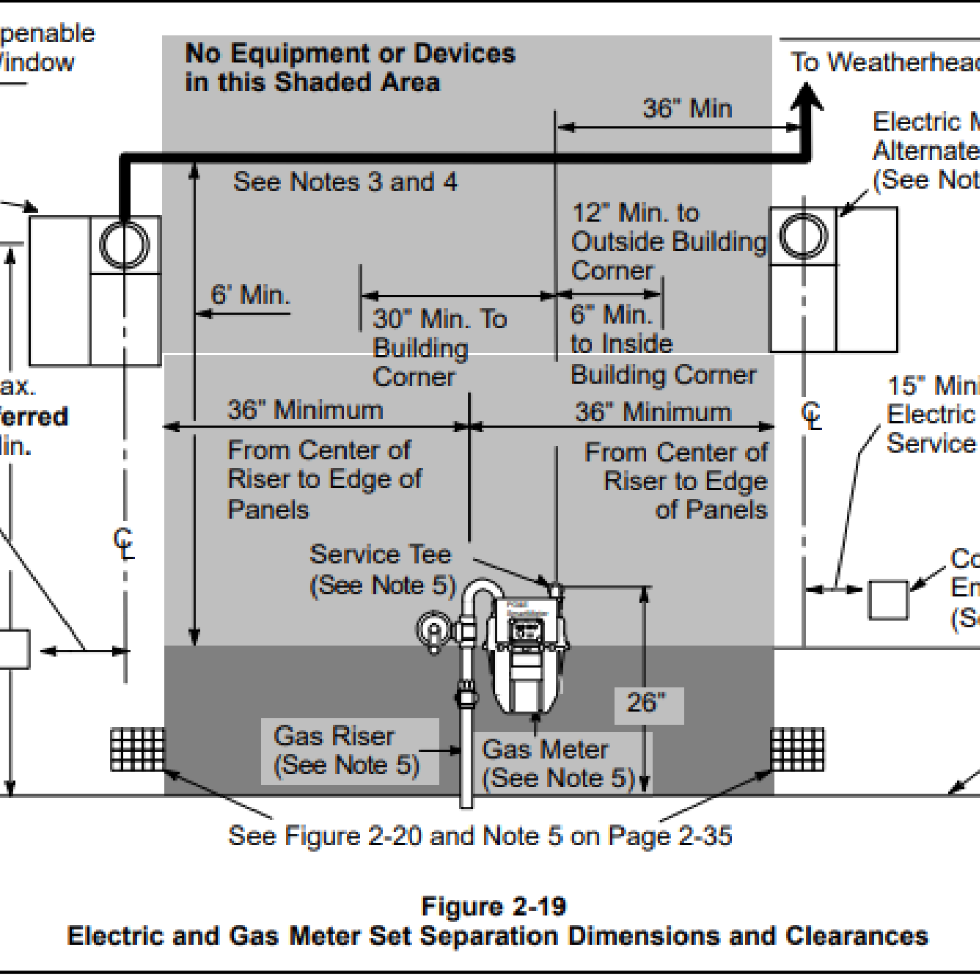
Clearance requirements are one of the biggest factors. New electrical equipment cannot be installed within 36 inches of the gas meter, with only a few limited exceptions for the adapter itself.
The workspace must also be safe and accessible. PG&E technicians need clear access to the meter with no obstructions, hazards, or barriers.
The adapter must be staged correctly before the appointment. It needs to be onsite, connected, dry, and stored in a visible weather resistant bag.
Panel accessibility is another common issue. The panel door must open fully, and nothing can block access to breakers or electrical components.
Costs and Scheduling Expectations
The meter socket adapter program includes costs that homeowners should understand upfront.
• $275 per PG&E truck roll
• Charged whether the job passes or fails
• No refund if installation cannot be completed
Appointments operate within a 10 day window rather than a fixed time. This means flexibility is required when planning your project timeline.
• Must cancel more than 2 days before start date
• No refunds inside that window
• Contractors must reschedule through the portal
Common Reasons Installations Fail
There are a few recurring reasons projects fail under this program.
• No access to the meter
• Locked gates or animals on the property
• Unsafe or obstructed workspace
• Adapter not onsite or not properly prepared
• Communication cable not installed
• Failed gap test on the meter socket
• Voltage issues indicating unsafe configuration
When a project fails, it must be corrected and resubmitted with a new appointment and additional fee.
What This Means for Your Project
The meter socket adapter program can be a helpful option when planning your energy system, but it is not a shortcut.
It requires:
• Proper site evaluation
• Correct system design
• Strict adherence to PG&E requirements
• Careful coordination between contractor and utility
For some homes, it can reduce the need for immediate panel upgrades. For others, it may still make sense to upgrade the panel for long term flexibility.
Final Thoughts
If you are thinking about solar, batteries, or EV charging, your electrical infrastructure matters more than ever.
The meter socket adapter program is one tool that can support that transition, but only when everything is done correctly from the start.
Understanding how the process works, what is required, and where projects typically fail will help you move forward with fewer delays and better outcomes.
Next Steps
Download the PG&E 2026 Meter Socket Adapter Guide
If you want to understand whether your home qualifies for a meter socket adapter or if a panel upgrade makes more sense, the best place to start is with an energy assessment.
From there, you can map out a system that supports your current needs and future energy demand without running into avoidable roadblocks.